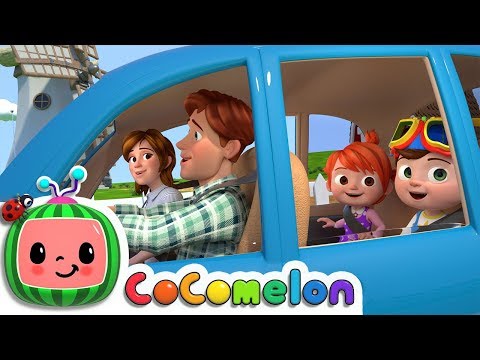
The full story of Are We There Yet? | CoComelon Nursery Rhymes & Kids Songs
An original, data-driven analysis built from YTBVC's own tracking - view velocity, rankings, milestone projections and earnings estimates YouTube doesn't publish.
A billion-view milestone in context
The video "Are We There Yet? | CoComelon Nursery Rhymes & Kids Songs" is a notable example of a children's educational content that has achieved immense popularity, with a view count of 1,254,931,408, placing it at number 656 among the over 1,000 billion-view videos on the platform. This milestone signifies a significant level of engagement and reach, as crossing the billion-view threshold tends to indicate a video has become a cultural phenomenon, resonating with a substantial audience. The fact that this video has joined the ranks of the most-watched content online is a testament to the enduring appeal of nursery rhymes and kids' songs, which appear to be universally enjoyed by young viewers and their parents alike.
As a member of the Education category, "Are We There Yet?" ranks 82 out of 128 videos, demonstrating that it is a leading example of educational content that is both entertaining and informative. The video's success can be attributed to its ability to engage its target audience, likely preschool-age children and their caregivers, who tend to seek out content that is both fun and educational. The fact that this video has been viewed over 1.25 billion times suggests that it has become a staple in many households, with its catchy tunes and colorful animations making it a favorite among young children.
The publication of "Are We There Yet?" on February 28, 2018, marked the beginning of its journey to becoming one of the most-watched videos online. Over the course of its approximately 8.4 years on the platform, the video has consistently garnered views, with an average of around 311,405 views per day. This steady stream of viewership has resulted in the video gaining around 9,342,150 views in the last 30 days alone, a significant number that underscores the video's ongoing popularity. As the video continues to accumulate views at its current pace, it is projected to reach the 2 billion mark in about 2,392 days, a milestone that will further cement its status as one of the most-watched videos of all time.
The significance of "Are We There Yet?" extends beyond its view count, as it also generates significant revenue through advertising. With an estimated monthly ad earnings of around $65,395, the video is likely an important contributor to the channel's overall revenue. This financial success is a testament to the video's enduring appeal and its ability to attract and retain a large audience, which tends to be a key factor in determining a video's monetization potential. As the video continues to be viewed and shared by millions of people around the world, its impact on the platform and the world of children's entertainment is likely to be felt for years to come.
The road to one billion views
The nursery rhyme video Are We There Yet? was published by the Cocomelon - Nursery Rhymes channel on February 28, 2018. Over the course of its life span, which now stretches to approximately 8.4 years, the content has established a consistent presence within the education category of YouTube. As of the most recent data, the video has successfully surpassed the one billion view threshold, reaching a total count of 1,254,931,408 views. This achievement places the video at rank number 656 among the 1,032 videos that have crossed the billion-view milestone, while also securing the 82nd position out of 128 videos within the education genre.
The accumulation of these views suggests a steady and sustained interest from viewers over an extended period. With an average daily viewership of approximately 311,405 views, the content maintains a reliable velocity of engagement rather than relying on brief spikes in popularity. This consistent performance is further evidenced by the addition of roughly 9,342,150 views within the last 30 days alone. Such figures indicate that the video likely serves as a evergreen resource, which tends to attract new audiences as younger viewers discover the content through YouTube's recommendation algorithms or search queries related to children's entertainment and educational songs.
When evaluating the future trajectory of this content, the current pace provides a framework for long-term growth projections. Given the established daily average, it is estimated that the video will reach the two billion view milestone in approximately 2,392 days, assuming that viewership interest remains stable. From a financial perspective, this steady circulation of the video appears to generate significant economic activity, with estimated ad earnings calculated at approximately 65,395 dollars per month, assuming an RPM of 7.00 dollars.
The video's performance reflects the broader success of the Cocomelon brand, which is based in the United States and primarily utilizes the English language to reach its global audience. While the reach of the video appears to be international, its primary language suggests that it likely finds its strongest resonance within English-speaking regions and households seeking educational media for children. By maintaining a steady rank within its category and demonstrating a durable, long-term appeal, the video serves as a notable example of how educational content for children can consistently perform on the platform over many years of availability.
Current momentum and view velocity
The video "Are We There Yet? | CoComelon Nursery Rhymes & Kids Songs" is currently demonstrating a notable level of momentum, with approximately 9,342,150 views gained in the last 30 days. This recent surge in viewership suggests that the video is still attracting a significant audience, likely due to its educational content and the popularity of the Cocomelon channel. The average daily views of around 311,405 further emphasize the video's ongoing appeal, indicating that it tends to maintain a steady stream of viewers.
At this pace, the video appears to be still climbing, rather than plateauing, as it continues to accumulate a substantial number of views over time. The estimated monthly ad earnings of approximately $65,395, based on a $7.00 RPM, also imply that the video remains a valuable asset for the channel, likely generating considerable revenue. The fact that the video is projected to reach 2 billion views in about 2,392 days, assuming the current pace is maintained, provides further evidence of its sustained popularity and the channel's enduring influence.
The video's current velocity is likely driven by its relevance to its target audience, which appears to be primarily comprised of young children and their parents or caregivers. The educational nature of the content, combined with the engaging format of nursery rhymes and kids songs, tends to make it an attractive choice for this demographic. As a result, the video continues to experience a steady influx of new viewers, in addition to repeat views from its existing audience, contributing to its ongoing growth.
The sustained viewership of "Are We There Yet?" also reflects the channel's ability to consistently produce high-quality, engaging content that resonates with its audience. The Cocomelon channel's strong reputation and large subscriber base likely play a significant role in driving traffic to the video, as well as encouraging sharing and discovery among its viewers. Overall, the video's current momentum and view velocity suggest that it will continue to be a prominent and influential piece of content within the education category, with a strong potential for further growth and increased viewership.
The video's performance over the next few years will be worth monitoring, as it approaches the 2 billion view milestone. If it maintains its current pace, it is likely that the video will continue to be a major player in the education category, and its influence will extend to an even broader audience. The channel's continued investment in producing high-quality content will likely be a key factor in determining the video's long-term success and its ability to sustain its current level of momentum.
Global reach and where it resonates
The video "Are We There Yet? | CoComelon Nursery Rhymes & Kids Songs" is likely to resonate most strongly with audiences in English-speaking countries, given that its primary language is English. This inference is based on the assumption that the language of the content tends to be a significant factor in determining its geographic reach. As the channel Cocomelon - Nursery Rhymes is based in the United States, it is also reasonable to infer that the video may have a sizable following in North America. The fact that the channel has managed to accumulate over 1.25 billion views for this video suggests that its content is widely consumed, and the English language is likely a key factor in this success.
The video's category, Education, may also play a role in its global reach, as educational content tends to be in high demand across different regions. However, the fact that the video is in English may limit its appeal in non-English speaking countries, unless the content is subtitled or dubbed in other languages. It is worth noting that the channel's country of origin, the United States, has a significant influence on the type of content it produces, and this may also impact the video's popularity in different parts of the world. For instance, the themes, music, and visuals used in the video may be more relatable to audiences in Western countries, which could contribute to its popularity in these regions.
Despite the lack of direct data on the video's geographic performance, it is possible to make an educated guess about its popularity in different regions based on the available information. For example, countries with a high percentage of English speakers, such as the United Kingdom, Canada, and Australia, may be among the top countries where the video is most popular. Additionally, the video's popularity may also be high in countries with a significant expatriate population or where English is widely used as a second language. However, these are informed inferences rather than conclusive evidence, and the actual geographic distribution of the video's viewership may differ from these expectations.
The video's continued popularity, as evidenced by its average daily views of around 311,405, suggests that it remains a widely consumed piece of content. The fact that it has gained around 9,342,150 views in the last 30 days alone is a testament to its enduring appeal. As the video is projected to reach 2 billion views in approximately 2,392 days at its current pace, it is likely that its popularity will continue to be sustained over the long term. This, in turn, may help to further increase its reach and resonance with audiences in different parts of the world, although the extent to which this occurs will depend on a variety of factors, including the channel's marketing efforts and the evolving preferences of its target audience.
The estimated ad earnings of around $65,395 per month, based on a $7.00 RPM, provide some insight into the video's commercial performance. While this figure is not directly related to the video's geographic reach, it does suggest that the video is a valuable piece of content for the channel, and its popularity is likely to be maintained through ongoing marketing and promotional efforts. As a result, the video's global reach and resonance are likely to continue to be shaped by a combination of factors, including its language, category, and the channel's country of origin, as well as its ongoing popularity and commercial performance.
Who is watching
The audience for Are We There Yet? | CoComelon Nursery Rhymes & Kids Songs appears to be primarily comprised of young children, likely in the preschool to early elementary school age range. This inference is based on the video's categorization as an educational resource, as well as its genre as a nursery rhyme and kids song. The fact that it is published by a channel specializing in nursery rhymes and kids songs also tends to support this conclusion. It is probable that parents, caregivers, and educators are also among the viewers, as they often seek out educational content to share with the children in their care.
Given the video's primary language is English, it is reasonable to assume that a significant portion of the audience is likely from English-speaking countries, such as the United States, where the channel is based. However, the global nature of the internet and the popularity of nursery rhymes across cultures suggest that the audience may be more diverse, with viewers from other countries and regions also accessing the content. The fact that the video has gained over 1.25 billion views and continues to accumulate views at a steady pace, with approximately 311,405 views per day, implies that it has become a staple for many young children's daily routines, and is likely widely shared among families and educational institutions.
The educational category and nursery rhyme genre of the video also provide clues about the interests of the audience. It appears that the viewers are likely interested in learning and educational content, and may be using the video as a tool for teaching various skills and concepts, such as language development, social skills, and emotional intelligence. The fact that the video is ranked #82 in the education category suggests that it is a popular and trusted resource among parents and educators seeking high-quality educational content. Additionally, the video's ability to engage and entertain young children, as evidenced by its massive view count and steady viewership, implies that it is also likely to be of interest to children themselves, who may be drawn to its colorful animation, catchy music, and relatable storyline.
The steady stream of views, with approximately 9,342,150 views gained in the last 30 days, suggests that the audience for Are We There Yet? is consistent and dedicated, with many viewers likely returning to the video multiple times. This, combined with the video's projected trajectory to reach 2 billion views in approximately 2,392 days, implies that the audience is likely to continue growing and engaging with the content in the future. While the exact demographics of the audience cannot be known with certainty, these trends and patterns tend to support the inference that the video is widely popular among young children and their caregivers, and is likely to remain a beloved and trusted resource for educational and entertainment purposes.
The estimated ad earnings of approximately $65,395 per month, based on a $7.00 RPM, provide further insight into the video's popularity and audience engagement. This significant revenue stream suggests that the video is not only widely viewed but also highly valued by advertisers seeking to reach the young children and families that comprise its audience. As a result, it is probable that the video will continue to be supported and promoted by its creators, ensuring that it remains a high-quality and engaging resource for its viewers.
The estimated economics of a billion-view video
The estimated economics of a billion-view video such as Are We There Yet? | CoComelon Nursery Rhymes & Kids Songs, are likely influenced by various factors including ad earnings. The estimated monthly ad earnings from this video are approximately $65,395, which is based on an assumed rate of $7.00 per thousand views, or RPM. This RPM figure is a key determinant of the estimated earnings, and it tends to vary depending on several factors such as the video's content, audience, and region.
It appears that the estimated ad earnings are calculated by multiplying the average daily views by the RPM, and then scaling it up to a monthly figure. Given that the video has been gaining around 311,405 views per day, and assuming the RPM remains constant, the estimated monthly earnings seem plausible. However, it is essential to note that actual ad earnings may differ from these estimates due to various factors such as the ad-sharing model, which determines the revenue split between the content creator and the platform.
The regional distribution of the video's audience also tends to impact ad earnings, as ad rates vary across different regions. For instance, videos that are popular in regions with higher ad rates, such as the US, may generate more ad revenue compared to those that are popular in regions with lower ad rates. Additionally, the format of the ads, such as display ads, video ads, or sponsored content, can also influence the actual ad earnings. These factors can lead to variations in the actual ad earnings, making the estimated figure of $65,395 per month an approximation rather than an exact figure.
The video's category, which is Education, may also play a role in determining its ad earnings. As the 82nd most viewed video in the Education category, Are We There Yet? | CoComelon Nursery Rhymes & Kids Songs, likely attracts a specific type of audience that is interested in educational content for children. This audience may be more receptive to certain types of ads, such as family-friendly or educational ads, which could impact the video's ad earnings. Nevertheless, without more detailed information on the video's ad performance, the estimated monthly earnings of $65,395 remain a rough estimate, providing only a general idea of the video's potential ad revenue.
It is worth noting that the video's age, which is around 8.4 years since publication, may also influence its ad earnings. As the video continues to gain views, with around 9,342,150 views in the last 30 days, its ad earnings are likely to remain significant. However, the actual figures may still vary due to the factors mentioned earlier, and the estimated monthly earnings should be treated with caution. The projected time to reach 2 billion views, which is approximately 2,392 days at the current pace, may also provide some insight into the video's long-term ad revenue potential, although this is also subject to various uncertainties and changes in viewer behavior.
Audience and regional-popularity statements are informed inferences from genre, language and channel origin, not measured demographics. Earnings are estimates.