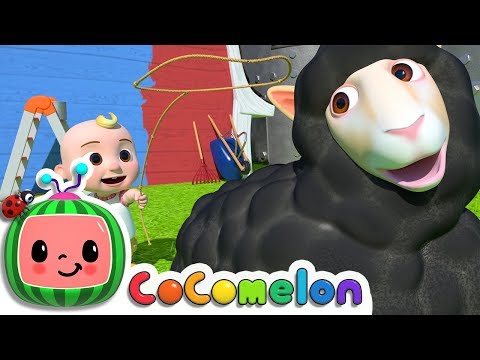
The full story of Baby Shark Dance | #babyshark Most Viewed Video | Animal Songs | PINKFONG Songs for Children
An original, data-driven analysis built from YTBVC's own tracking - view velocity, rankings, milestone projections and earnings estimates YouTube doesn't publish.
A billion-view milestone in context
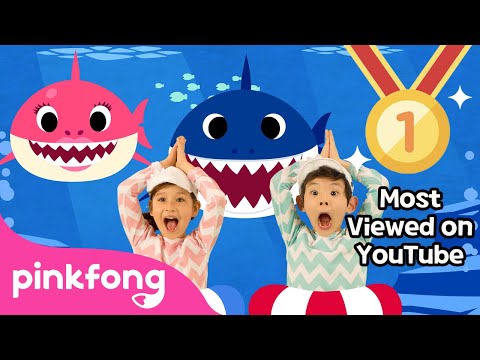
"Baby Shark Dance" is a children's song produced by Pinkfong, which has achieved remarkable success on YouTube, amassing an extraordinary view count of 17,152,957,910. This staggering figure positions it as the most viewed video on the platform, surpassing all other billion-view videos, which number 1,029 in total. The video's appeal lies in its catchy melody and engaging visuals, primarily designed for a young audience, making it a staple in early childhood entertainment. Released on June 17, 2016, "Baby Shark Dance" has captivated viewers for approximately 10.1 years, demonstrating the enduring popularity of its content.
Crossing the billion-view milestone is a significant achievement on YouTube, often reflecting a video's widespread appeal and cultural impact. Videos that reach this threshold typically indicate a blend of engaging content, effective marketing, and the ability to resonate with diverse audiences across different regions. The success of "Baby Shark Dance" illustrates how children's media can transcend geographic boundaries, appealing to children and families worldwide, likely contributing to its record-setting view counts.
In the realm of educational content, "Baby Shark Dance" stands out not only as the most viewed video overall but also as the leading video in the education category, which consists of 128 videos. This ranking underscores the effectiveness of the song in both entertaining and educating its audience. The song's simplicity and repetitive structure likely make it an effective learning tool for language acquisition and rhythm, further enhancing its appeal to parents seeking educational content for their children.
The video's performance continues to demonstrate impressive growth, gaining approximately 108,931,096 views in the last 30 days alone, translating to an average of about 3,631,036 views per day. At this current pace, "Baby Shark Dance" is projected to reach 18 billion views in roughly 233 days, indicating sustained interest and engagement from viewers. The estimated ad earnings of around $762,518 per month suggest that its success is not only a cultural phenomenon but also a financial powerhouse, reflecting the lucrative nature of popular content on YouTube.
The road to one billion views
"Baby Shark Dance," published on June 17, 2016, has solidified its position as the most viewed video on YouTube, amassing over 17.15 billion views. As of October 2023, the video is just over 10 years old, marking a significant milestone in its journey since it first appeared on the platform. Its age and view count suggest a remarkable trajectory, indicative of both its enduring popularity and the broad appeal of its content, which is primarily targeted at children.
In the years following its release, "Baby Shark Dance" experienced a gradual accumulation of views, but it was not until 2019 that the video began to gain explosive traction. This surge coincided with a growing global fascination with the song, leading to increased sharing and engagement across various platforms. The video’s educational content, combined with its catchy tune and simple choreography, likely contributed to its appeal among young audiences and their parents, further driving its view count.
The pace of view accumulation has remained impressive, with the video gaining approximately 108.9 million views in the last 30 days alone, translating to an average of about 3.6 million views per day. This consistent level of engagement suggests that "Baby Shark Dance" has not only maintained its relevance but continues to attract new viewers, bolstered by its status as a cultural phenomenon. The projected timeline indicates that at the current rate, the video could reach 18 billion views in about 233 days, a testament to its sustained popularity.
Overall, the journey of "Baby Shark Dance" from its initial publication to its current standing as the number one most viewed video on YouTube reflects a combination of strategic content targeting, viral sharing dynamics, and the timeless appeal of its educational themes. The remarkable view count and high engagement levels underscore the video's unique position within the realm of children's entertainment and education, marking it as a landmark achievement within the platform's history.
Current momentum and view velocity
As of the latest data, "Baby Shark Dance," the leading video on YouTube with over 17.15 billion views, continues to exhibit significant momentum in its viewership. In the last 30 days alone, the video has accrued approximately 108.9 million views, translating to an average of about 3.6 million views per day. This consistent flow of engagement suggests that the video remains a popular choice among viewers, particularly within its educational category, where it holds the top rank.
The sustained daily view count indicates that "Baby Shark Dance" is not merely coasting on its past success; rather, it appears to be actively attracting new viewers, potentially driven by its ongoing relevance in children's entertainment. The song's catchy tune and engaging visuals, combined with its status as a cultural phenomenon, likely contribute to its enduring appeal. With an average of nearly 3.6 million views each day, the video is projected to reach 18 billion views in approximately 233 days, assuming the current trend persists.
This projection highlights the video's remarkable ability to maintain its view velocity even after more than ten years since its release. The significant monthly gain and strong daily averages suggest that "Baby Shark Dance" is far from plateauing. Instead, it continues to thrive in a competitive digital landscape, cementing its place as a staple in children's music and education. The ongoing interest and engagement with the video also reflect broader trends in viewership behaviors, wherein certain content types, particularly those aimed at children, can generate prolonged and robust viewing patterns.
Overall, the performance metrics indicate that "Baby Shark Dance" is likely to keep climbing in the view counts for the foreseeable future. Its current trajectory not only reinforces its status as the most viewed video on YouTube but also sets a high bar for future content creators in the educational category. The combination of consistent viewership and projected growth further cements the video's legacy within the platform.
Global reach and where it resonates
"Baby Shark Dance," produced by Pinkfong, has achieved remarkable global reach since its publication on June 17, 2016. The video's primary language is English, and it originates from a channel based in the United States. This suggests that the video is likely to resonate strongly with English-speaking audiences around the world, particularly in regions where English is a primary or secondary language. Countries such as Canada, the United Kingdom, Australia, and various nations in Asia and Africa, where English is widely understood, are likely among its most engaged viewers.
The educational theme of the video, which features animal songs tailored for children, further enhances its appeal. Content aimed at young audiences tends to have a broad, cross-cultural resonance, as parents often seek entertaining and educational materials for their children. This aspect of the video may contribute to its popularity in diverse regions, transcending language barriers and cultural differences. The catchy melody and simple lyrics also make it accessible to non-English speakers, potentially widening its viewer base beyond primarily English-speaking countries.
Moreover, the video's status as the most viewed on YouTube indicates that it has captured the attention of a global audience. Its ranking in the educational category suggests that it is particularly appealing to parents and caregivers seeking engaging content for children. The widespread use of digital platforms and mobile devices in many parts of the world likely facilitates easy access to the video, allowing it to be shared among families and educational institutions.
The channel's American origin may also influence its popularity, as content produced in the U.S. often garners substantial international attention. American media and entertainment have a strong global presence, which likely aids the visibility and appeal of "Baby Shark Dance." As the video continues to gain views at an impressive rate, it is reasonable to infer that its reach extends well beyond the borders of the United States, capturing the interest of young audiences and their families around the globe.
As of recent data, the video has accumulated over 17 billion views, with significant monthly engagement. The projected trajectory indicates that it may reach 18 billion views in the near future, suggesting sustained interest and relevance. This ongoing popularity reinforces the idea that "Baby Shark Dance" has successfully connected with a diverse audience, likely making it a staple in children's entertainment worldwide.
Who is watching
The audience for "Baby Shark Dance" appears to primarily consist of young children and their caregivers, reflecting the video's classification within the education category and its focus on animal songs. Given the song's simplistic and repetitive structure, it likely engages preschool-aged children who are developing their language skills and enjoy interactive, catchy tunes. This demographic tends to appreciate colorful animations and engaging characters, both of which are hallmarks of the Pinkfong brand.
The fact that the video is presented in English suggests that it may attract a significant number of viewers within English-speaking countries, particularly the United States where the channel is based. However, the widespread popularity of the song has likely transcended linguistic barriers, allowing it to resonate with children globally. The universal themes of fun and playfulness in the video suggest that it may also appeal to parents looking for entertaining content for their children, reinforcing family bonding through shared viewing experiences.
Given the educational nature of the content, it is probable that parents see "Baby Shark Dance" as a tool for early childhood development, helping children learn about animals and rhythm. The song's simple lyrics and repetitive chorus might encourage young viewers to sing along, promoting language acquisition and musicality in a playful context. This aligns with broader trends in children's media, where educational content is often designed to be both entertaining and instructive, catering to the needs of young learners.
The substantial number of views gained in the last 30 days, approximately 108 million, indicates that the song continues to attract new viewers, potentially due to recommendations by parents or the video being shared among friends and family. This ongoing engagement suggests that the audience may include not only young children but also older siblings and family members who are drawn to the song's infectious energy. As it reaches its projected milestone of 18 billion views, the video's appeal likely remains strong across diverse groups, reinforcing its status as a cultural phenomenon within children’s entertainment.
How it stacks up against its peers
"Baby Shark Dance" holds the remarkable distinction of being the most viewed video on YouTube, with over 17.15 billion views since its release on June 17, 2016. This video not only ranks first among all billion-view videos but also leads its category of Education, where it is positioned as the top video out of 128. This dual ranking underscores the exceptional nature of "Baby Shark Dance," indicating that it outperforms all other videos in both the broader context of YouTube and within its specific genre.
The sheer number of views for "Baby Shark Dance" is unprecedented, contributing to its status as a cultural phenomenon. As the only video to surpass 17 billion views, it serves as a benchmark for future content creators and media producers, particularly in the educational and children's content space. The video’s success is indicative of its widespread appeal, likely catering to a diverse audience that includes young children and their parents, who are drawn to its catchy tune and engaging visuals. The song's popularity has not only resulted in substantial viewership but has also established it as a staple in children's entertainment.
In comparison to other billion-view videos, "Baby Shark Dance" stands out significantly. Given that it is ranked first out of 1,029 videos that have achieved this milestone, its performance is indicative of a unique blend of factors, including its memorable melody, vibrant animation, and the effective marketing strategies employed by Pinkfong. This video’s ability to maintain a high level of engagement is illustrated by its recent view count of approximately 108.9 million views gained over the past 30 days, translating to an average of about 3.6 million views per day. These figures demonstrate that "Baby Shark Dance" continues to resonate with audiences, even years after its initial release.
The projected trajectory of the video suggests that it could reach 18 billion views in approximately 233 days if the current viewership pace continues. Such a projection further cements its status as not only the leading video on YouTube but also a case study in longevity and sustained popularity within its category. The estimated ad earnings of around $762,518 per month indicate further commercial viability, showcasing the financial impact that such a widely viewed video can achieve. Overall, "Baby Shark Dance" exemplifies an exceptional success story within the YouTube ecosystem, setting high standards for content in the educational genre and beyond.
The estimated economics of a billion-view video
The estimated ad economics of "Baby Shark Dance" reveal insights into the financial impact of a video that has achieved remarkable viewership. With over 17.15 billion views, this video is the most viewed on YouTube and is projected to continue gaining views at a significant pace, potentially reaching 18 billion in approximately 233 days. As of the latest data, the video is estimated to generate around $762,518 per month in ad revenue. This figure is derived from a revenue per thousand impressions (RPM) assumption of $7.00, which is a common metric used to estimate earnings from advertisements on platforms like YouTube.
It is important to note that the RPM figure is not a fixed value and can vary widely based on several factors. These include the type of ad formats shown, the geographic location of the viewers, and the specific agreements between content creators and advertisers. For instance, ads viewed in regions with higher purchasing power may yield higher RPMs, while those in lower-income regions might produce less revenue. Additionally, variations in viewer demographics and viewer engagement with ads can also significantly influence the actual earnings.
Furthermore, the estimated monthly earnings are based on a broad average and do not account for the intricacies of YouTube's monetization policies, which can affect the overall revenue share between the platform and the content creator. YouTube typically retains a portion of ad revenue, meaning that the actual earnings received by the channel may be less than the total estimated revenue generated from views. Advertisers may also choose different pricing strategies based on the content's audience engagement and the effectiveness of the ads.
The channel behind "Baby Shark Dance," Pinkfong Kids’ Songs & Stories, is based in the United States and primarily serves an English-speaking audience. This suggests that much of its ad revenue may come from advertisers targeting this demographic, which is often seen as valuable for children's content. Given the educational category in which this video resides, it tends to attract a different type of advertiser, which can further influence RPM and overall earnings.
In conclusion, while the estimated $762,518 monthly earnings provide a glimpse into the economic potential of a billion-view video, it is essential to consider the various factors that can affect this number. The assumptions regarding RPM, regional differences in ad performance, and the complexities of YouTube's monetization model all play crucial roles in shaping the reality of ad revenue for successful content creators like Pinkfong.
A billion views in perspective
The video "Baby Shark Dance," published on June 17, 2016, has garnered an astounding total of 17,152,957,910 views, making it the most viewed video on YouTube by a significant margin. This figure places it at the top of the all-time rankings among over 1,000 videos that have crossed the billion-view threshold. With an average daily view count of approximately 3,631,036, the video continues to attract a massive audience, demonstrating its enduring popularity nearly a decade after its release.
To contextualize the sheer magnitude of its view count, it is useful to consider the daily average in relation to other time frames. The video receives, on average, over 3.6 million views each day, which breaks down to about 151,290 views every hour. This translates to roughly 2,520 views every minute, or about 42 views every second. Such numbers suggest a near-constant engagement with the content, reflecting its appeal across a wide audience, likely comprising children and families.
Given the video's current trajectory, it is projected to reach 18 billion views in approximately 233 days if it maintains its recent pace. This projection highlights not only the existing popularity but also the potential for continued growth in viewership. As the video remains relevant in the realm of children's entertainment, it appears poised to set new milestones in the future.
In terms of financial implications, the estimated ad earnings for the video are around $762,518 per month, which underscores its status as a lucrative asset for the creators. This figure is derived from an estimated revenue per mille (RPM) of $7.00, indicating that the video has successfully monetized its vast audience. The combination of high view counts and substantial earnings positions "Baby Shark Dance" as a significant cultural phenomenon in the digital age, with an exceptional ability to engage viewers on a massive scale.
Audience and regional-popularity statements are informed inferences from genre, language and channel origin, not measured demographics. Earnings are estimates.