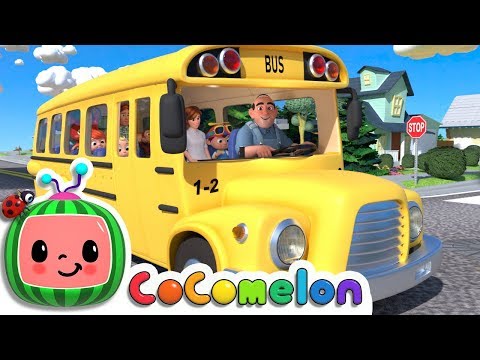
The full story of Wheels on the Bus (Play Version) + More Nursery Rhymes & Kids Songs - CoComelon
An original, data-driven analysis built from YTBVC's own tracking - view velocity, rankings, milestone projections and earnings estimates YouTube doesn't publish.
A billion-view milestone in context
The video Wheels on the Bus (Play Version) + More Nursery Rhymes & Kids Songs - CoComelon, published by the Cocomelon - Nursery Rhymes channel, has reached a significant milestone, with a view count of 1,359,636,453, placing it at number 556 among the over one thousand videos that have surpassed one billion views. This achievement signifies a substantial level of popularity and enduring appeal, as crossing the one billion view threshold tends to indicate a video has become a cultural phenomenon, resonating with a large and diverse audience. The video's ranking among billion-view videos provides context for its performance, demonstrating its relative standing within the broader landscape of highly viewed content.
As an educational video, Wheels on the Bus (Play Version) + More Nursery Rhymes & Kids Songs - CoComelon is part of a category that tends to attract a specific type of viewer, likely parents and caregivers seeking engaging and informative content for young children. The video's inclusion of traditional nursery rhymes and kids songs, such as Wheels on the Bus, appears to be a key factor in its broad appeal, as these types of content often evoke nostalgia and trust among audiences. With a primary language of English and a channel based in the US, the video's audience likely skews towards English-speaking viewers, although its popularity may extend to other regions and language groups as well.
The video's view count and ranking offer a snapshot of its performance at a particular point in time, but they also raise questions about its longer-term trends and patterns. For instance, the video has gained approximately 1,077,234 views in the last 30 days, suggesting a steady and ongoing level of interest. Additionally, its average daily views of around 35,907 indicate a consistent stream of viewership, which may be driven by factors such as repeat views, shares, and recommendations. These metrics provide a more nuanced understanding of the video's performance and hint at the underlying dynamics that have contributed to its success.
The estimated ad earnings of around $7,541 per month, based on a rate of $7.00 per thousand views, offer further insight into the video's commercial performance. This revenue stream likely plays a significant role in supporting the channel's continued production of content, enabling the creation of more videos and educational resources for its audience. As the video continues to accrue views and maintain its popularity, it is likely that its influence and reach will expand, potentially leading to new opportunities and collaborations for the Cocomelon - Nursery Rhymes channel.
The video's age of approximately 7.6 years since publication is also noteworthy, as it suggests that the content has remained relevant and appealing to audiences over an extended period. This longevity may be attributed to the timeless nature of nursery rhymes and kids songs, which tend to transcend trends and generations, as well as the channel's ability to consistently produce high-quality and engaging content. As the article delves deeper into the video's performance and trends, it will explore these factors in greater detail, providing a more comprehensive understanding of its success and enduring appeal.
The road to one billion views
The video titled Wheels on the Bus (Play Version) + More Nursery Rhymes and Kids Songs, produced by the United States-based channel Cocomelon - Nursery Rhymes, achieved a significant milestone by surpassing one billion views. Published on December 20, 2018, the content has been available on the platform for approximately 7.6 years. Its inclusion in the billion-view club positions it at number 556 among the 1,031 videos that have reached this threshold, reflecting a robust performance within the education category where it currently ranks 70th out of 128 qualifying entries.
The trajectory of this video suggests a consistent pattern of consumption common to evergreen children's programming. With a total view count of 1,359,636,453, the content appears to have benefited from long-term discoverability rather than a short-lived viral spike. Over its 7.6-year lifespan, the video has maintained a steady presence in the educational sector, likely supported by the recurring nature of its primary audience. Because the subject matter is not time-sensitive, it tends to appeal to new generations of young viewers, allowing for a sustained accumulation of views long after its initial release date.
Current metrics indicate that the video continues to attract a meaningful volume of engagement despite its age. Within the last 30 days, the video garnered approximately 1,077,234 views, which translates to an average daily intake of roughly 35,907 views. This ongoing activity suggests that the video remains a reliable component of the Cocomelon catalog. Given the consistency of these daily figures, it is likely that the video serves as a persistent reference point for parents and caregivers utilizing the platform for educational entertainment.
From a commercial perspective, the stability of these view counts provides a predictable performance model. Based on an estimated revenue per mille of 7.00 dollars, the video generates approximately 7,541 dollars in monthly ad earnings. This financial data underscores the enduring value of high-performing educational content that survives the typical cycles of platform trends. While the initial surge of interest following its 2018 publication may have been significant, the data indicates that the long-term viability of the video is tied to its status as a staple for its target demographic, ensuring that it remains an active participant in the ecosystem of high-traffic YouTube media.
Current momentum and view velocity
The current performance metrics for Wheels on the Bus (Play Version) + More Nursery Rhymes & Kids Songs indicate a video that maintains a consistent, albeit stabilized, presence within the digital landscape. Published on December 20, 2018, the content has accumulated a total of 1,359,636,453 views over its roughly 7.6-year lifespan. While the video occupies the 556th position among all videos that have surpassed the billion-view threshold, its modern engagement patterns suggest it has transitioned from a rapid growth phase into a state of long-term sustainability. This performance is particularly notable within the education category, where it currently holds the 70th rank out of 128 identified billion-view videos.
In the most recent 30-day period, the video generated approximately 1,077,234 views. This translates to an average daily intake of about 35,907 views. These figures suggest that the content continues to benefit from recurring search interest and algorithmic recommendations, which likely function as a primary engine for discovery among young viewers and caregivers. The steady nature of these daily views indicates that while the video is no longer experiencing the exponential surges common in its early years, it avoids a sharp decline, instead settling into a predictable rhythm of ongoing consumption.
This longevity is further reflected in the monetization potential of the content. Based on an estimated revenue per mille of seven dollars, the video generates approximately 7,541 dollars in ad earnings per month. Such consistent financial output confirms the video remains a reliable asset for the Cocomelon channel, likely benefiting from the evergreen appeal of nursery rhymes in the English language. Because the content is not tied to fleeting cultural trends, the audience remains broad and potentially repetitive, as caregivers frequently revisit known videos for children.
When observing the current velocity, it appears that the video is neither in a state of rapid acceleration nor significant plateauing. Instead, it maintains a mature trajectory that aligns with the typical lifecycle of highly successful educational material on the platform. While the cumulative view count is substantial, the present pace suggests a slow, steady climb rather than a sudden shift in rank. The data reflects a stable environment where the video functions as a foundational staple for its target audience, ensuring it remains a prominent entry in the broader ecosystem of billion-view content.
Global reach and where it resonates
The reach of the CoComelon production titled Wheels on the Bus (Play Version) + More Nursery Rhymes & Kids Songs extends to a global audience, though its primary appeal appears rooted in English-speaking territories. Published on December 20, 2018, by the US-based channel Cocomelon - Nursery Rhymes, the video has accumulated 1,359,636,453 views over its 7.6-year existence. Given the channel’s origin in the United States and the video's primary English language, it is reasonable to infer that the core viewership likely originates from the United States, the United Kingdom, Canada, and Australia. These regions maintain a consistent demand for educational content tailored to early childhood development, which likely facilitates the video's sustained engagement within these markets.
Beyond these primary regions, the video likely finds a secondary audience in non-English-speaking nations where English is taught as a second language or is used in international educational settings. Because the video is categorized as educational-holding the 70th position out of 128 videos within that specific genre-it likely benefits from parents and educators seeking accessible, repetitive linguistic content for toddlers. The universal nature of nursery rhymes suggests that the video’s reach may transcend strictly English-speaking households, as its visual storytelling provides context that does not rely exclusively on the spoken word. However, because we lack precise geographic viewer data, these distributions remain informed inferences based on the channel’s domestic operations and the linguistic accessibility of the content.
The stability of the video’s performance further supports the theory of a widespread, recurring audience. As of the most recent tracking period, the video continues to accrue roughly 1,077,234 views every 30 days, averaging about 35,907 views per day. This consistent influx of traffic suggests that the video is regularly being discovered by new cohorts of young viewers, a pattern typical of evergreen nursery rhyme content. With estimated ad earnings of approximately $7,541 per month at a $7.00 RPM, the video remains a commercially viable asset within the broader digital education landscape. While the specific demographic breakdown is not measured by current public records, the video's rank of 556 out of 1,031 videos in the billion-view club indicates a robust and enduring presence that likely spans various international markets, driven primarily by the global ubiquity of early childhood instructional media.
Who is watching
The primary audience for this video likely consists of toddlers and preschool-aged children, given its classification within the education category and its reliance on traditional nursery rhyme conventions. The content, which centers on repetitive musical arrangements and familiar childhood imagery, appears designed to hold the brief attention spans typical of very young viewers. Because the video is presented in English, it likely serves as a frequent resource for households where English is the primary language, though the visual-heavy nature of the animation may also attract a broader international audience seeking early childhood sensory engagement or language learning reinforcement.
The video's consistent performance, marked by an average of approximately 35,907 daily views even several years after its December 20, 2018 publication, suggests it functions as a recurring staple in parental playlists. Parents and caregivers likely utilize such content as a reliable digital tool for entertainment or quiet time, often allowing the video to loop during daily routines. This pattern of sustained viewership indicates that the content likely achieves a high degree of repeat engagement, as children in the target age demographic often prefer consuming familiar, predictable media multiple times rather than seeking novel stimuli.
While it is impossible to confirm the specific demographics of the viewership, the educational classification implies that the primary consumers are likely children between the ages of one and four, while the secondary, facilitating audience consists of adults managing the digital environment. The pedagogical nature of the nursery rhyme format suggests an interest in early cognitive development, specifically focusing on basic vocabulary, motor-skill coordination, and rhythmic pattern recognition. It is reasonable to infer that the audience engagement is mediated by adults who identify the video as a safe and age-appropriate entry point for early media consumption.
Furthermore, the video remains a significant piece of the Cocomelon channel's catalog, which frequently produces content tailored to specific developmental milestones. Given the platform's US-based origin and the specific linguistic execution of the songs, the audience appears to be drawn from markets that prioritize Western-style early childhood education modules. Although the estimated monthly earnings of approximately 7,541 dollars provide insight into the video's sustained commercial viability, these figures also serve as a proxy for its ongoing reach, indicating that the content maintains a steady relevance that transcends its original release date.
How it stacks up against its peers
Within the vast ecosystem of billion-view content on YouTube, the Play Version of Wheels on the Bus by Cocomelon occupies a firm middle ground that reflects the sustained utility of educational media. With a total of 1,359,636,453 views, the video holds the 556th position among the 1,031 entries that have surpassed the billion-view threshold. This placement indicates that while the video is a highly successful component of the platform's nursery rhyme landscape, it sits outside the top tier of viral music videos or global chart-topping hits. Its ranking suggests that its longevity is driven by iterative, repeatable consumption rather than the explosive, short-term surges often seen in pop culture content.
When compared specifically to its peers within the Education category, the video maintains a notable presence. It is ranked 70th out of the 128 billion-view videos classified as educational. This specific categorization highlights the competitive nature of children's programming on YouTube, where a high volume of content frequently reaches the billion-view milestone. By securing a spot in the upper half of its category, the video demonstrates a strong capability to retain its audience over its 7.6-year lifespan. Given that it continues to accrue approximately 35,907 views per day, the video remains a consistent performer for the Cocomelon channel, serving as a reliable resource for a global, likely parent-led audience seeking stable, English-language entertainment for children.
The financial performance of the video further underscores its role as a steady asset. Generating estimated monthly ad earnings of approximately 7,541 dollars based on a 7.00 dollar RPM, the video functions as a model of long-term digital sustainability. Because the viewership numbers have remained steady, gaining over one million views in the last 30 days, the video appears to benefit from the recursive viewing habits typical of the children's media demographic. While it does not challenge the leading videos for the top overall rank, its ability to maintain relevance nearly eight years after its December 20, 2018 publication date is a significant indicator of the enduring appeal of the content. Ultimately, the video serves as a prime example of how educational assets can navigate the competitive billion-view field by providing predictable, evergreen value that persists long after the initial peak of engagement.
The estimated economics of a billion-view video
The financial performance of the video Wheels on the Bus, which is published by the United States-based channel Cocomelon - Nursery Rhymes, offers a case study in the long-tail monetization of children's content. As of the most recent tracking period, the video generated approximately 1,077,234 views over the last 30 days, maintaining a consistent presence with an average of roughly 35,907 views per day. While the total historical view count stands at 1,359,636,453, current traffic remains steady enough to yield estimated monthly ad earnings of approximately $7,541. This figure is derived using a revenue per mille, or RPM, assumption of $7.00, which reflects the gross revenue generated for every one thousand views after accounting for various platform and creator splits.
It is important to note that these financial projections are subject to significant fluctuation, as real-world earnings are rarely static. The $7,541 monthly estimate serves only as an illustrative benchmark rather than a guaranteed income figure. Actual creator take-home pay is influenced by the specific ad-share agreements between the platform and the channel, as well as the diverse geographic distribution of the audience. Because the primary language of the content is English, it likely reaches a broad international viewership, yet ad rates often vary drastically between regions based on local purchasing power and advertiser demand. Consequently, views originating from higher-cost advertising markets generally yield higher returns than those from emerging regions.
Furthermore, the format of the video as an educational nursery rhyme may introduce additional variables into its monetization potential. Content categorized as children's programming often operates under specific regulatory frameworks that can restrict the types of advertisements displayed, potentially impacting the effective RPM compared to mainstream entertainment categories. Because the platform does not publicly disclose the specific contractual terms or the precise demographic breakdown of the viewers, external estimates remain inherently imprecise. Factors such as device type, time of year, and the specific mix of video and display advertisements all contribute to the volatility of these earnings. Ultimately, while the video currently sustains a notable level of daily traffic, its financial performance is the product of a complex ecosystem that extends far beyond a simple calculation of total view counts.
Audience and regional-popularity statements are informed inferences from genre, language and channel origin, not measured demographics. Earnings are estimates.