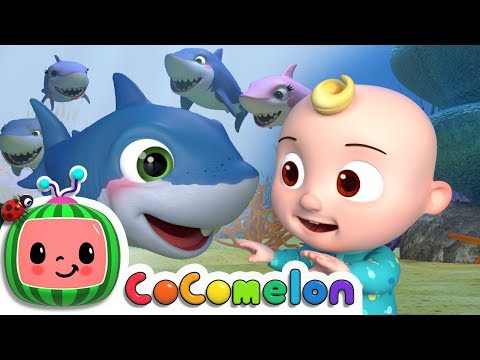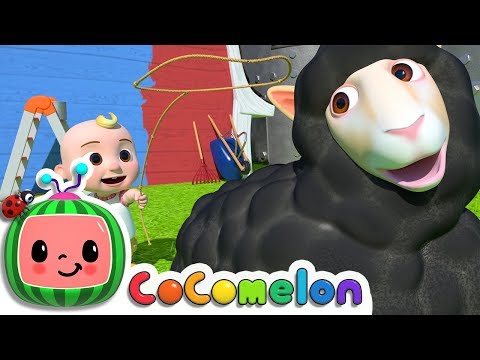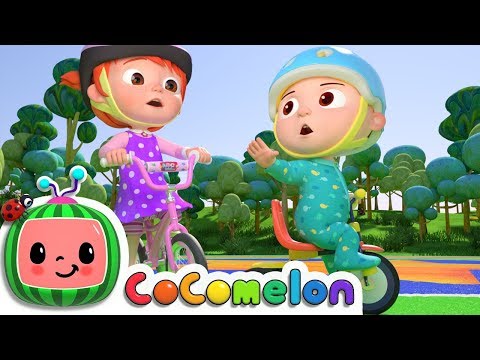
The full story of "No No" Play Safe Song | CoComelon Nursery Rhymes & Kids Songs
An original, data-driven analysis built from YTBVC's own tracking - view velocity, rankings, milestone projections and earnings estimates YouTube doesn't publish.
A billion-view milestone in context
The video titled No No Play Safe Song, produced by the channel Cocomelon - Nursery Rhymes, represents a distinct entry within the landscape of high-performing digital content aimed at early childhood audiences. Since its publication on November 01, 2017, the video has accumulated a total of 1,007,608,137 views. This figure places the production at rank number 1,021 out of the 1,034 videos currently verified to have surpassed the one-billion-view milestone on the platform. At approximately 8.8 years old, the video serves as an example of long-tail content stability, demonstrating how educational material for younger viewers can maintain a consistent, albeit modest, audience reach well beyond its initial release date.
Reaching a billion views is a quantitative threshold that separates the most pervasive digital media from the remainder of the platform's vast library. For a video classified under the education category, where it currently occupies the 126th position out of 129 billion-view entries, this milestone suggests a successful integration into the habitual viewing patterns of its target demographic. While such figures often reflect the repetitive nature of young children's media consumption, the data indicates that the content continues to resonate, generating approximately 818,706 views in the most recent 30-day period. With an average of roughly 27,290 daily views, the performance of this song suggests that it remains a stable, if secondary, component of the channel's broader library rather than a primary driver of current traffic.
From a financial perspective, the sustained interest in the video facilitates a predictable, if limited, revenue stream. Based on an estimated revenue per mille of seven dollars, the video generates roughly 5,731 dollars in ad earnings per month. This output highlights the economic utility of legacy content, as the video continues to function as a source of passive income for the United States-based channel. The audience for this production is likely concentrated among parents and toddlers who utilize English-language educational material for structured screen time. Given the repetitive thematic nature of the song, the viewership patterns appear to be driven by the platform's recommendation algorithms, which tend to favor familiar nursery rhymes that occupy a specific niche within the digital education space. Ultimately, the transition into the billion-view club confirms the video's status as a reliable, long-standing pillar of the Cocomelon brand.
The road to one billion views
The video titled No No Play Safe Song, published by the Cocomelon - Nursery Rhymes channel on November 1, 2017, reached the one billion view milestone after approximately 8.8 years on the platform. Occupying the 1,021st position among the 1,034 videos that have surpassed the billion-view threshold, the content functions as a persistent entry within the education category. Given its status as one of the longer-tenured videos to achieve this volume, the trajectory reflects a gradual but sustained accumulation of interest rather than a sudden viral spike.
Over the course of its existence, the video has maintained a steady presence that appears to align with the recurring consumption patterns typical of children's educational content. With an average of approximately 27,290 views per day, the video continues to attract a consistent audience, suggesting that its appeal remains relevant to new cohorts of viewers entering the platform. This long-term engagement profile indicates that the video serves as a reliable library piece for the channel, drawing ongoing traffic as younger audiences discover the song long after its initial publication.
In the most recent 30-day period, the video generated roughly 818,706 views, a figure that maintains its position within the competitive landscape of the education category, where it currently ranks 126th out of 129 entries. While the content has reached a significant quantitative milestone, its current daily performance relative to its total view count suggests that it has moved into a mature phase of its lifecycle. The sustained interest allows for steady, albeit modest, financial performance, with estimated ad earnings calculated at approximately 5,731 dollars per month, assuming a 7.00 dollar revenue per mille.
The data implies that the video’s journey to one billion views was driven by the cumulative nature of nursery rhyme viewership. Because the content provides educational utility for parents and caregivers, it likely benefits from repeated viewings and a high degree of evergreen searchability. The video has successfully navigated nearly nine years of platform evolution, maintaining its visibility through consistent discovery in algorithmic recommendations. Its inclusion in the billion-view club serves as an example of how the specific mechanics of the education genre, combined with the longevity of the Cocomelon brand, facilitate a slow and methodical path to high-volume engagement.
Current momentum and view velocity
The current performance of the No No Play Safe Song on the Cocomelon channel reflects a trajectory defined by long-term stability rather than rapid viral expansion. With a total view count of 1,007,608,137, the video occupies the 1,021st position among the platform's billion-view entries. Nearly nine years after its publication on November 1, 2017, the content continues to maintain a consistent presence within the nursery rhyme and children's education segment of the platform. While it currently ranks 126th out of 129 billion-view videos categorized under education, its ability to retain an audience nearly a decade after its release suggests it serves as a foundational piece of content for the channel's library.
In terms of immediate momentum, the video appears to have entered a phase of steady, incremental growth rather than active climbing. Over the most recent thirty-day period, the song accrued approximately 818,706 new views. This figure results in an average daily output of roughly 27,290 views. Such metrics indicate that the video has plateaued, functioning largely as evergreen content that continues to be discovered by new cohorts of young viewers. This pace is typical for educational nursery rhymes that rely on parental search habits and platform algorithmic recommendations rather than the transient spikes in traffic often seen with music videos or trending pop culture clips.
The financial performance of the video remains tied to this modest but reliable viewing pattern. Based on a projected revenue model of 7.00 dollars per mille, the video generates estimated ad earnings of approximately 5,731 dollars per month. This figure underscores the economic utility of older, high-traffic educational content, which provides the channel with a predictable stream of income long after the initial production costs have been amortized. Because the video is not currently experiencing explosive growth, it is unlikely to shift its all-time rank significantly in the near future. Instead, the video operates as a stable, long-tail asset within the Cocomelon ecosystem, likely continuing to serve as a recurring resource for English-speaking families seeking safety-themed educational content for toddlers. The consistent, albeit slow, daily view count suggests that the video is successfully maintaining its relevance to its core demographic, ensuring that its utility, and by extension its view total, continues to tick upward at a predictable, manageable rate.
Global reach and where it resonates
The popularity of the No No Play Safe Song appears to be anchored in regions where English serves as the primary language for early childhood development. Given that the video is presented in English and produced by the United States-based Cocomelon - Nursery Rhymes channel, it is highly likely that a significant portion of its viewership originates from English-speaking countries such as the United States, the United Kingdom, Canada, and Australia. While the platform does not provide public, granular geographic data for individual uploads, the combination of the channel's origin and the linguistic accessibility of the nursery rhyme structure suggests a strong resonance within these territories.
The content likely benefits from the broad, global distribution of the Cocomelon brand, which has successfully transcended its American roots to reach international audiences. Because the educational themes of the video are universal-focusing on childhood safety and the behavioral boundaries often established by parents-the video likely finds an audience in non-English speaking regions as well, where parents may use English-language media as a secondary tool for language immersion. This inference is supported by the video's sustained presence in the billion-view club, as it maintains an average of approximately 27,290 views per day, indicating a consistent, evergreen appeal that extends well beyond its initial publication date of November 01, 2017.
The performance of this video, which currently stands at 1,007,608,137 views, reflects a long-tail engagement pattern common to high-performing educational content. With approximately 818,706 views accumulated in the last 30 days, it is evident that the video continues to find new viewers nearly nine years after it was first uploaded. Although it is ranked 1,021 out of 1,034 videos within the billion-view cohort, its steady daily influx of traffic suggests it remains a reliable reference point for caregivers seeking educational material. While one cannot definitively pinpoint the exact locations of these viewers, the data points to a persistent, worldwide demand for the specific brand of safety-oriented, rhythmic pedagogy provided by the Cocomelon channel. Consequently, the estimated monthly ad earnings of roughly $5,731, calculated at a $7.00 RPM, serve as a financial marker of its ongoing role as a staple in the digital nursery rhyme landscape.
Who is watching
The audience for the video titled No No Play Safe Song appears to be primarily composed of toddlers and preschool-aged children, alongside the parents or caregivers who curate their digital viewing habits. Given the nursery rhyme genre and the explicit classification of the content as education, the viewership likely centers on developmental stages where repetitive language, simple musical structures, and visual reinforcement are used to teach basic safety concepts. Because the primary language of the video is English, the most frequent consumers likely reside in regions where English is the dominant or secondary language, though the reliance on visual cues suggests the video may also appeal to international audiences learning the language or seeking simplified safety lessons.
The engagement patterns suggest a steady, long-term interest rather than a transient trend. With an average of approximately 27,290 daily views and over 818,706 views accumulated in the last thirty days, the video appears to function as a persistent resource for caregivers. The consistent traffic over the approximately 8.8 years since its publication in November 2017 implies that the content is likely rediscovered by each new cohort of young children as they enter the target developmental window. This lifecycle is typical of educational content that serves a functional, rather than purely entertainment-based, purpose for a recurring demographic of young users.
While exact viewership metrics by age are not public, the nature of the CoComelon channel suggests that the audience is heavily mediated by adults. The content likely serves as a supplementary educational tool in domestic settings, potentially used to occupy children while providing repetitive, prosocial, and cautionary messaging. Because the video ranks 1,021 among the 1,034 videos that have surpassed one billion views, it occupies a specific niche within the education category. Its performance likely benefits from a high rate of repeat viewership, a common trait in children's media where content is replayed frequently by the same individual users. The estimated ad earnings of approximately 5,731 dollars per month at a 7.00 dollar RPM further point to a stable, commercially viable audience that remains engaged with this specific title years after its initial release. This sustained performance indicates that, despite its lower standing within the broader category of educational videos, the content remains a reliable point of entry for the channel's broader demographic.
How it stacks up against its peers
The instructional track No No Play Safe Song occupies a specific position within the broader ecosystem of billion-view YouTube content. Published on November 1, 2017, the video has accumulated 1,007,608,137 views over approximately 8.8 years. In the context of the entire database of videos surpassing the one billion mark, this performance places it at rank 1,021 out of 1,034 total entries. While its inclusion in the billion-view club indicates sustained relevance, its ranking relative to the totality of high-view content suggests it occupies a niche segment of the platform rather than acting as a viral outlier compared to the top-performing music videos or global cultural phenomena.
Within the specific framework of the education category, the video ranks 126 out of 129 entries. This placement provides significant context regarding the saturation of educational content on YouTube. While the video has successfully crossed the billion-view threshold, its lower ranking within the category suggests that it faces intense competition from other high-traffic educational resources. The video appears to rely on consistent, long-tail discovery by its target audience, likely parents and caregivers seeking safety-focused educational materials for children, rather than aggressive surges in viewership typically associated with higher-ranked entries.
The data regarding the video’s current trajectory supports the interpretation of a stable, long-term asset. With 818,706 views gained in the last 30 days and an average of approximately 27,290 views per day, the content continues to function as an evergreen utility. These figures translate to an estimated monthly ad revenue of about $5,731, assuming a revenue per mille of $7.00. The consistency of these numbers suggests that the video is rarely subject to extreme fluctuations in interest, reflecting a steady stream of traffic that is characteristic of established educational content.
Ultimately, the standing of the No No Play Safe Song illustrates the plateauing effect that can occur even among highly successful videos once they reach the billion-view milestone. Being ranked in the lower tier of the billion-view library and the education category does not diminish the achievement of reaching such a massive cumulative audience, but it does highlight the vast scale of the platform. The video serves as a testament to the longevity of the nursery rhyme and educational genre on YouTube, where steady, predictable consumption often proves more valuable to a channel over an eight-year span than the volatile spikes seen in other entertainment categories.
The estimated economics of a billion-view video
The financial performance of the video titled No No Play Safe Song by CoComelon Nursery Rhymes and Kids Songs offers a window into the revenue potential of long-tail content within the billion-view club. As of its current standing with 1,007,608,137 total views, the video continues to function as a consistent asset for the channel. In the last thirty days, the video generated approximately 818,706 views, which averages to roughly 27,290 views per day. Nearly nine years after its initial publication on November 1, 2017, this sustained traffic highlights how educational content for children tends to retain long-term relevance, even as it sits at the lower end of the billion-view spectrum, currently ranked 1,021 out of 1,034 videos.
When calculating the economic impact of these figures, one must apply specific assumptions regarding ad monetization. Based on a hypothetical Revenue Per Mille, or RPM, of $7.00, the video is estimated to generate approximately $5,731 per month. It is important to note that this figure is a projection rather than a verified statement of earnings, as actual compensation is subject to significant volatility. The RPM metric represents the gross revenue per one thousand views, but the final payout to a creator is influenced by a complex array of variables that remain hidden from public data.
Real-world financial outcomes for this video likely fluctuate based on several external factors. Ad-share agreements, the specific geographic location of the audience, and the type of ad format displayed all play a role in determining final revenue. Because the content is categorized under education, it may attract different advertising profiles compared to entertainment or music videos, and it is likely that much of the viewership originates from regions where advertising rates vary significantly. Furthermore, YouTube’s internal algorithms and policies regarding content directed toward children, often categorized under strict data protection regulations, frequently limit the type and volume of advertisements that can be served on such videos.
Consequently, while the $5,731 monthly estimate provides a useful baseline for understanding the scale of revenue for a video with over one billion views, it should be viewed as a theoretical model. The actual income accrued by the channel for this specific video is dependent on the precise mix of viewers, the seasonal demand for nursery rhymes, and the proprietary adjustments made by the platform to its advertising ecosystem. These estimations serve only to illustrate the potential financial scale of high-traffic evergreen content rather than providing an audit of the channel's actual bottom line.
Audience and regional-popularity statements are informed inferences from genre, language and channel origin, not measured demographics. Earnings are estimates.